

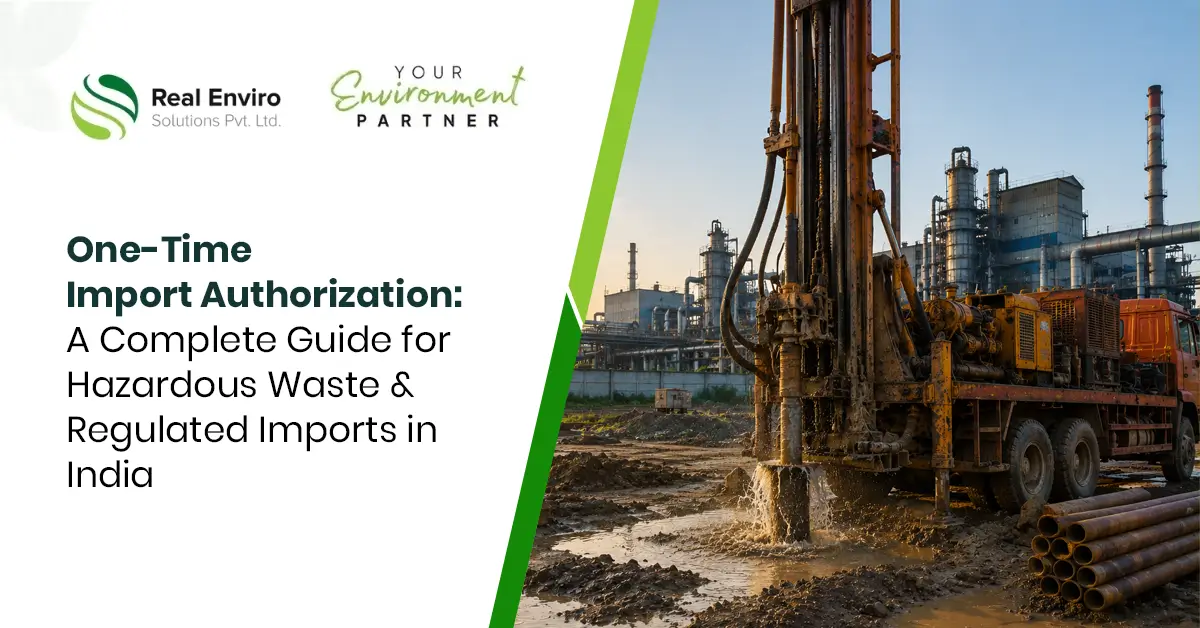
With increasing concerns over groundwater depletion and environmental sustainability, obtaining CGWA Borewell Permission has become a mandatory regulatory requirement for industries, infrastructure projects, and commercial establishments. The Central Ground Water Authority (CGWA) regulates groundwater extraction in India to ensure sustainable usage, legal compliance, and environmental protection.
Businesses involved in borewell drilling, groundwater extraction, or tube well installation must obtain proper authorization to avoid penalties, legal actions, and operational restrictions.
What is CGWA Borewell Permission?
CGWA Borewell Permission is an official authorization required for groundwater extraction through borewells or tube wells. It is issued by the Central Ground Water Authority under guidelines of the Ministry of Jal Shakti.
This permission ensures that:
- Groundwater extraction is regulated and sustainable
- Industries follow water conservation norms
- Environmental impact is minimized
Without CGWA approval, groundwater extraction is considered illegal and non-compliant under Indian environmental laws.
Why CGWA Permission is Mandatory
Groundwater is a critical natural resource, and unregulated extraction can lead to severe environmental consequences. CGWA permission helps:
- Prevent over-extraction of groundwater
- Ensure legal compliance for industries and infrastructure projects
- Avoid penalties, borewell sealing, or closure notices
- Promote rainwater harvesting and water conservation practices
- Strengthen sustainability and ESG compliance
Companies operating without permission risk heavy fines and regulatory actions.
Who Needs CGWA Borewell Permission?
CGWA permission is mandatory for:
- Industrial units using groundwater
- Infrastructure and construction projects
- Commercial establishments (hotels, hospitals, malls)
- Mining and manufacturing units
- Bulk water users extracting groundwater
Any entity involved in groundwater abstraction through borewells or tube wells must comply.
Categories of Areas under CGWA
CGWA classifies areas based on groundwater availability:
- Safe Zone — Permitted with standard conditions
- Semi-Critical Zone — Controlled extraction
- Critical Zone — Strict regulations
- Over-Exploited Zone — Highly restricted / conditional permission
Approval depends on the location and groundwater status of the area.
Documents Required for CGWA Borewell Permission
To obtain approval, applicants must submit:
- Company registration documents
- Land ownership/lease documents
- Borewell details (depth, diameter, location)
- Water requirement calculation
- Hydrogeological report
- Rainwater harvesting plan
- NOC from local authorities (if applicable)
Proper documentation is crucial for approval without delays.
Step-by-Step CGWA Application Process
- Online Registration on CGWA Portal
- Submission of application with required documents
- Technical evaluation by authorities
- Site inspection (if required)
- Approval / Rejection based on compliance
- Issuance of NOC (No Objection Certificate)
Accurate data and compliance are essential for smooth approval.
Key Compliance Conditions
After obtaining permission, companies must:
- Install digital water flow meters
- Implement rainwater harvesting systems
- Submit periodic groundwater usage reports
- Avoid over-extraction beyond approved limits
- Renew permission before expiry
Non-compliance may lead to revocation of permission and penalties.
Common Challenges Faced by Industries
- Delay due to incomplete documentation
- Rejection in over-exploited zones
- Lack of hydrogeological data
- Non-installation of required systems
- Difficulty in understanding CGWA guidelines
These issues can result in project delays and financial losses.
How to Ensure Smooth CGWA Approval
- Conduct proper water requirement assessment
- Ensure accurate documentation and reporting
- Implement rainwater harvesting and recharge systems
- Stay updated with CGWA guidelines and amendments
- Take expert consultancy support
A proactive approach ensures fast approvals and zero compliance risk.
Penalties for Non-Compliance
Operating without CGWA permission can lead to:
- Heavy fines and Environmental Compensation (EC)
- Sealing of borewells
- Closure notices by authorities
- Legal action under environmental laws
Conclusion
CGWA Borewell Permission is a critical compliance requirement for any business extracting groundwater in India. It ensures sustainable usage, legal operations, and environmental protection.
Organizations that prioritize proper authorization, documentation, and compliance can avoid penalties, ensure uninterrupted operations, and contribute to long-term water sustainability.